

Forging a Pukko Knife: Session A
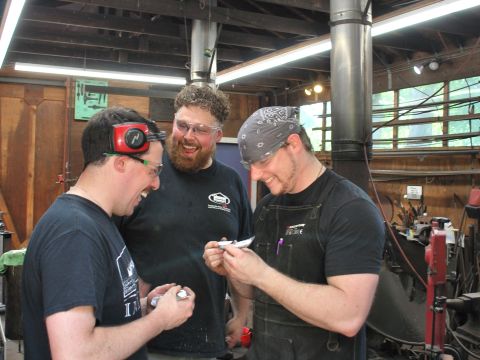
This class will focus on the form and function of a Finnish Pukko knife, a traditional hunting and utility knife favored in northern Europe. Students will understand many of the bladesmithing processes including forging, grinding, heat treating, and finishing. By the end of the course, one can expect to have a complete usable blade.
The War Hammer Workshop
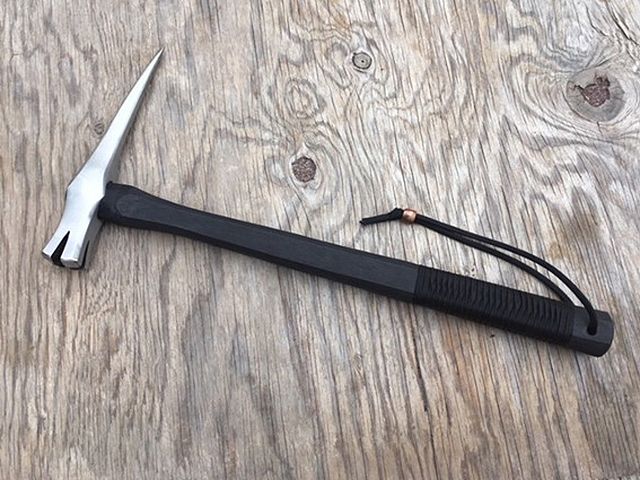
Forge your own historic war hammer while learning essential blacksmithing techniques, including hot punching, splitting, shaping, and forging a spike. Finish your piece by fitting a hickory handle, heat treating the head, and grinding for durability. The workshop concludes with hands-on testing to experience the balance and power of your finished hammer.
Forging a Pukko Knife: Session B
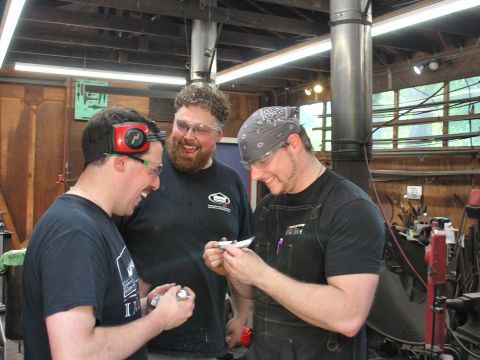
This class will focus on the form and function of a Finnish Pukko knife, a traditional hunting and utility knife favored in northern Europe. Students will understand many of the bladesmithing processes including forging, grinding, heat treating, and finishing. By the end of the course, one can expect to have a complete usable blade.
Forging Spoons & Bowls Workshop
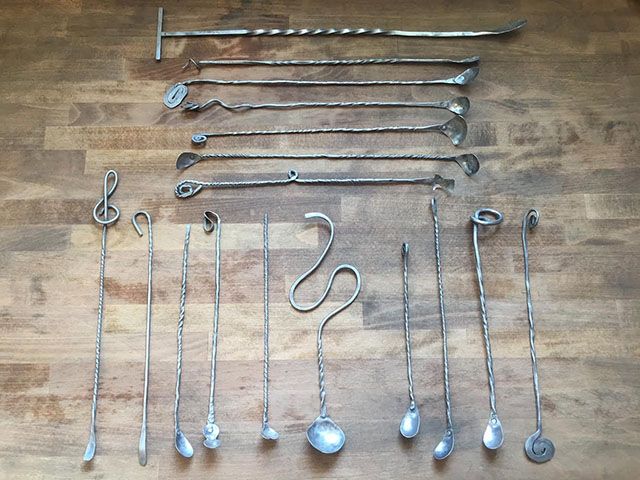
Learn the fundamentals of traditional blacksmithing while forging functional spoons from steel. Students will practice techniques such as drawing, forge welding, riveting, twisting, planishing, and scrolling to create unique table, cooking, tasting, and spoons.
Teen Blacksmithing: Session A
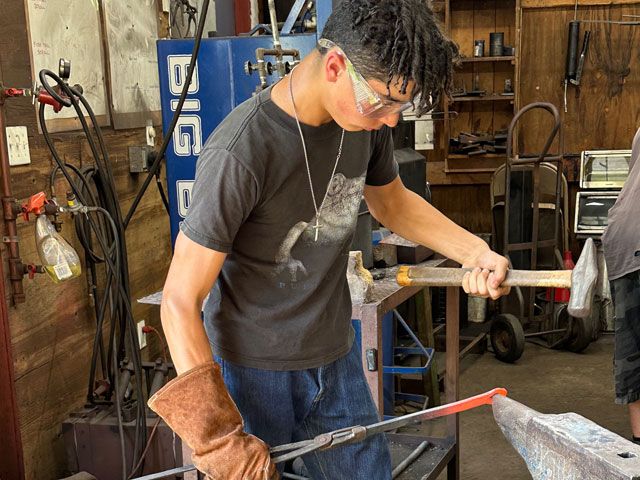
This class will teach teen students basic forging techniques. Students will learn how to build and maintain a coal fire, and use the new skills to make several small projects such as hooks, fire pokers, and hand forged jewelry. Students will need safety glasses, leather work gloves, (welding gauntlets not needed) and should wear jeans, a non-flammable cotton shirt and/or jacket, and closed-toed boots or leather shoes. Our forge is an outdoor building that is only semi-enclosed; please dress accordingly.
Introduction To Blacksmithing/Open Forge: Session A
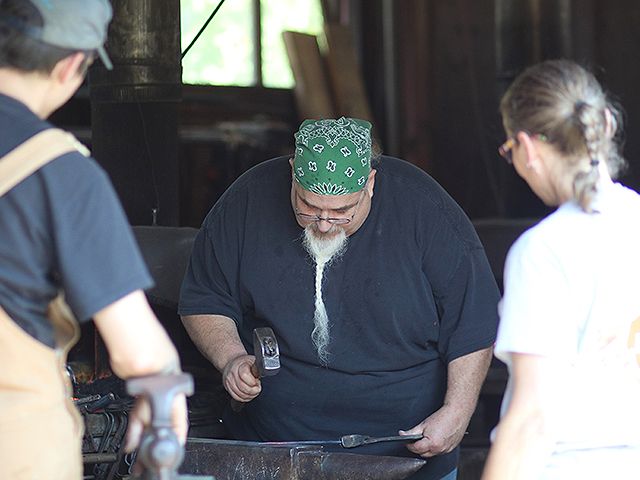
Learn the fundamentals of blacksmithing in this beginner-friendly workshop, or continue previous projects. Under the guidance of experienced instructors, you'll build confidence at the forge while learning to heat, shape, and forge steel using a hammer and anvil to create a variety of projects.
Students will need safety glasses, dust mask or respirator, leather work gloves, (welding gauntlets not needed) and should wear jeans, a non-flammable cotton shirt and/or jacket, and closed-toed boots or leather shoes. Our forge is an outdoor building that is only semi-enclosed; please dress accordingly.
For full-day workshops, please bring a lunch to be on the safe side, as there may or may not be time to get food during a lunch break.
Forging Spears
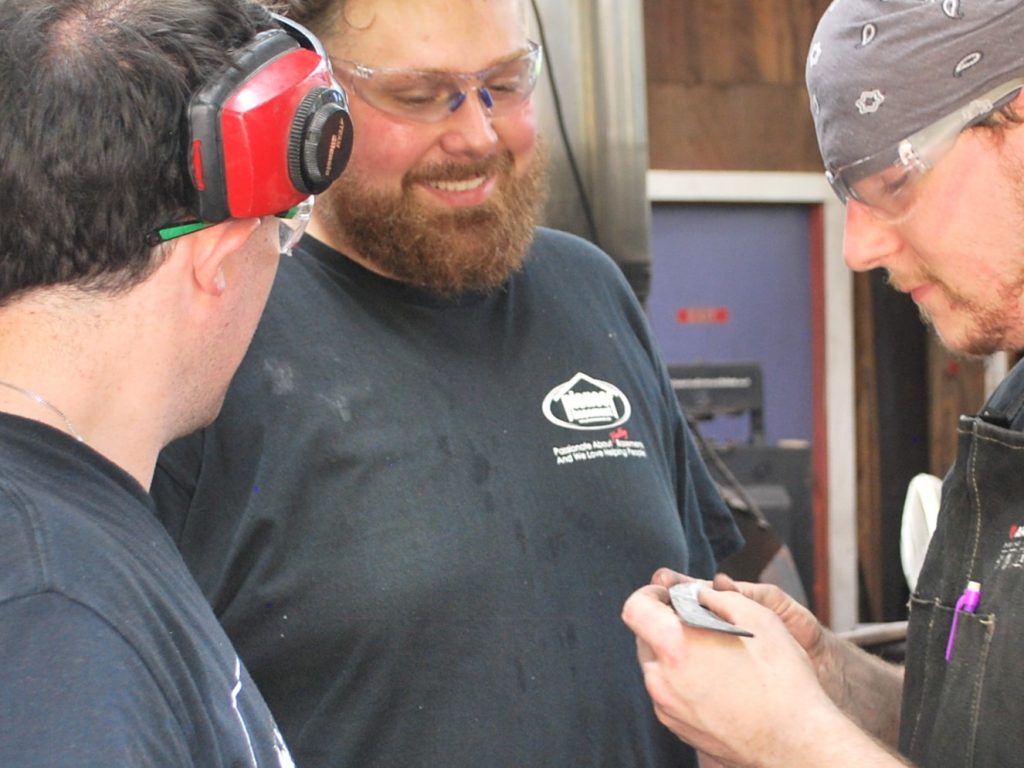
Forge a 9–12 inch socketed spearhead using the traditional rolled socket method, creating a one-piece blade and socket that can be fitted to a haft. Learn essential blacksmithing and bladesmithing techniques, including drawing, beveling, and grinding, and complete a finished spearhead by the end of the workshop
Students will need safety glasses, dust mask or respirator, leather work gloves, (welding gauntlets not needed) and should wear jeans, a non-flammable cotton shirt and/or jacket, and closed-toed boots or leather shoes. Our forge is an outdoor building that is only semi-enclosed; please dress accordingly.
For full-day workshops, please bring a lunch to be on the safe side, as there may or may not be time to get food during a lunch break.
Forge to Function: Trivets Workshop
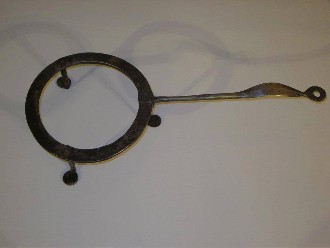
Learn to forge a functional trivet while building your blacksmithing skills. Students will create both a simple round-stock trivet and a more advanced multi-piece design, practicing techniques such as forge welding, upsetting, drawing out tenons, punching holes, and assembly. Ideal for beginners ready to take on a new challenge.
Introduction To Blacksmithing/Open Forge: Session B
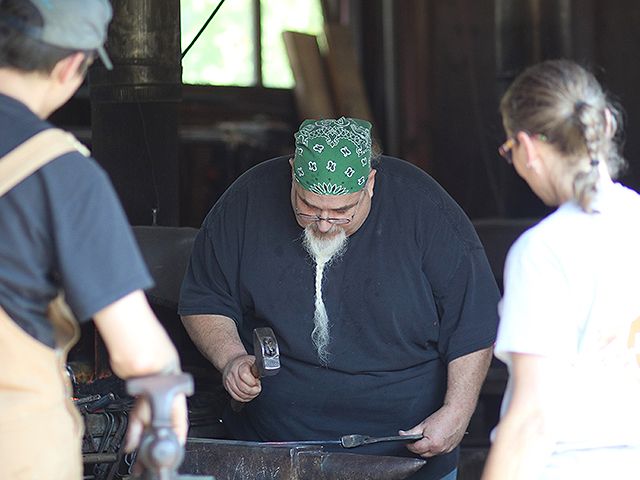
Learn the fundamentals of blacksmithing in this beginner-friendly workshop, or continue previous projects. Under the guidance of experienced instructors, you'll build confidence at the forge while learning to heat, shape, and forge steel using a hammer and anvil to create a variety of projects.
Students will need safety glasses, dust mask or respirator, leather work gloves, (welding gauntlets not needed) and should wear jeans, a non-flammable cotton shirt and/or jacket, and closed-toed boots or leather shoes. Our forge is an outdoor building that is only semi-enclosed; please dress accordingly.
For full-day workshops, please bring a lunch to be on the safe side, as there may or may not be time to get food during a lunch break.
Gnome for the Holidays: Forging Steel Gnomes Workshop
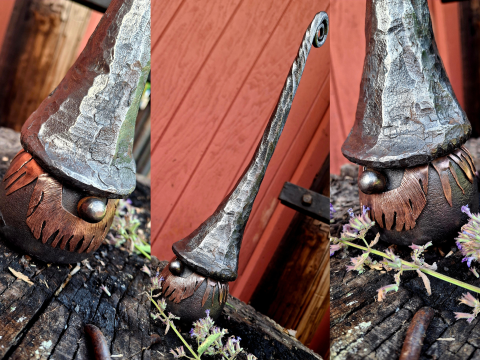
Students will create an ornamental steel gnomes figure for holiday decoration. These will be perfectly festive napkin weights or table/counter decorations for the holiday season, as well as unique and thoughtful gifts.